Air conditioning freon in Littleville, AL is really two different conversations: one about R-22, the refrigerant everyone still calls "freon," and one about the newer blends running in most systems built in the last decade. The type sitting in your outdoor unit determines whether a recharge costs $150 or $1,500, and whether repair even makes financial sense this summer. Here's how to tell which one you have, what it should cost in 2026, and when a recharge stops being worth it.
What "Freon" Actually Means for Your AC
"Freon" is a trademarked brand name, not a generic term for refrigerant. It originally referred to R-22, while most AC systems installed in the last 15 years run on R-410A, and the newest 2025-2026 installs are shifting to lower-GWP blends like R-454B. These refrigerants aren't interchangeable, and pricing differs sharply between them. For Littleville homeowners calling around about "freon," knowing which one your system actually uses is the first real step toward a fix.
Do You Still Have R-22 in Your System?
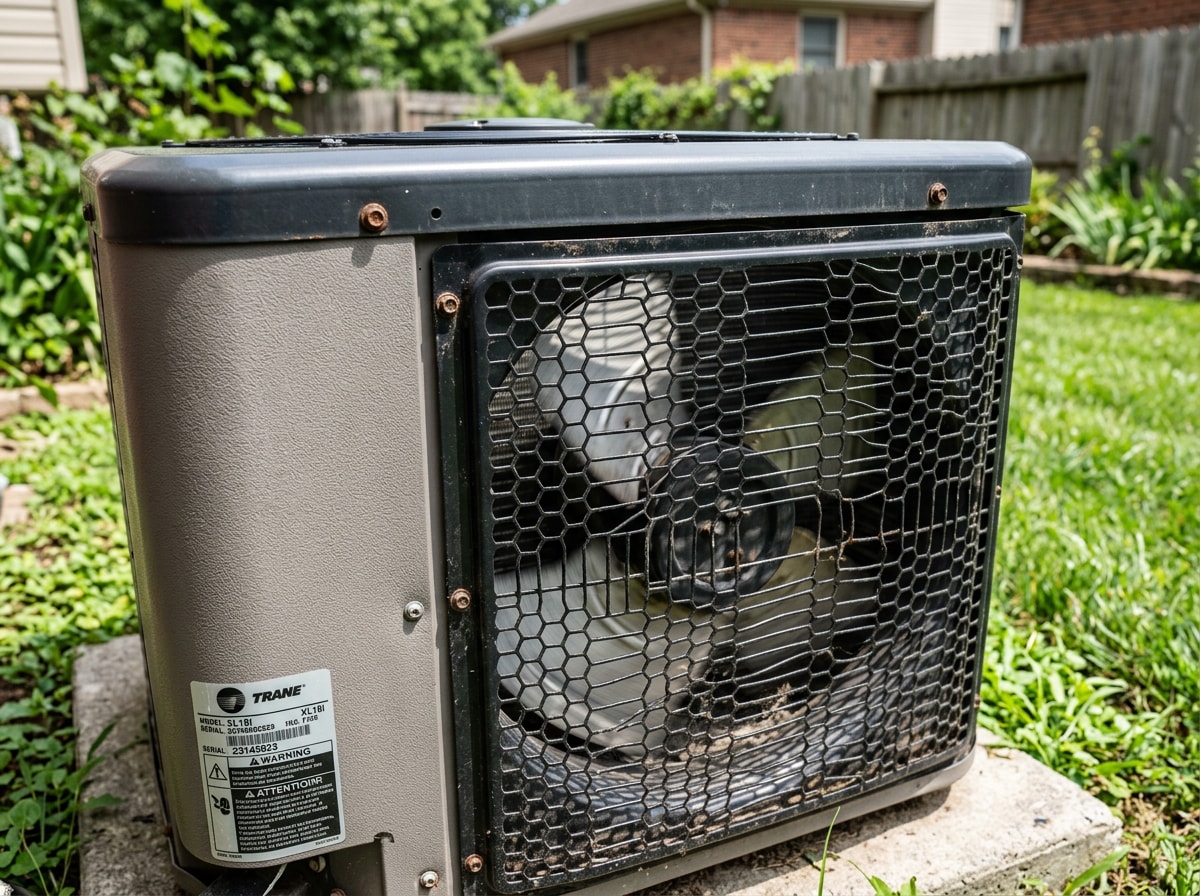
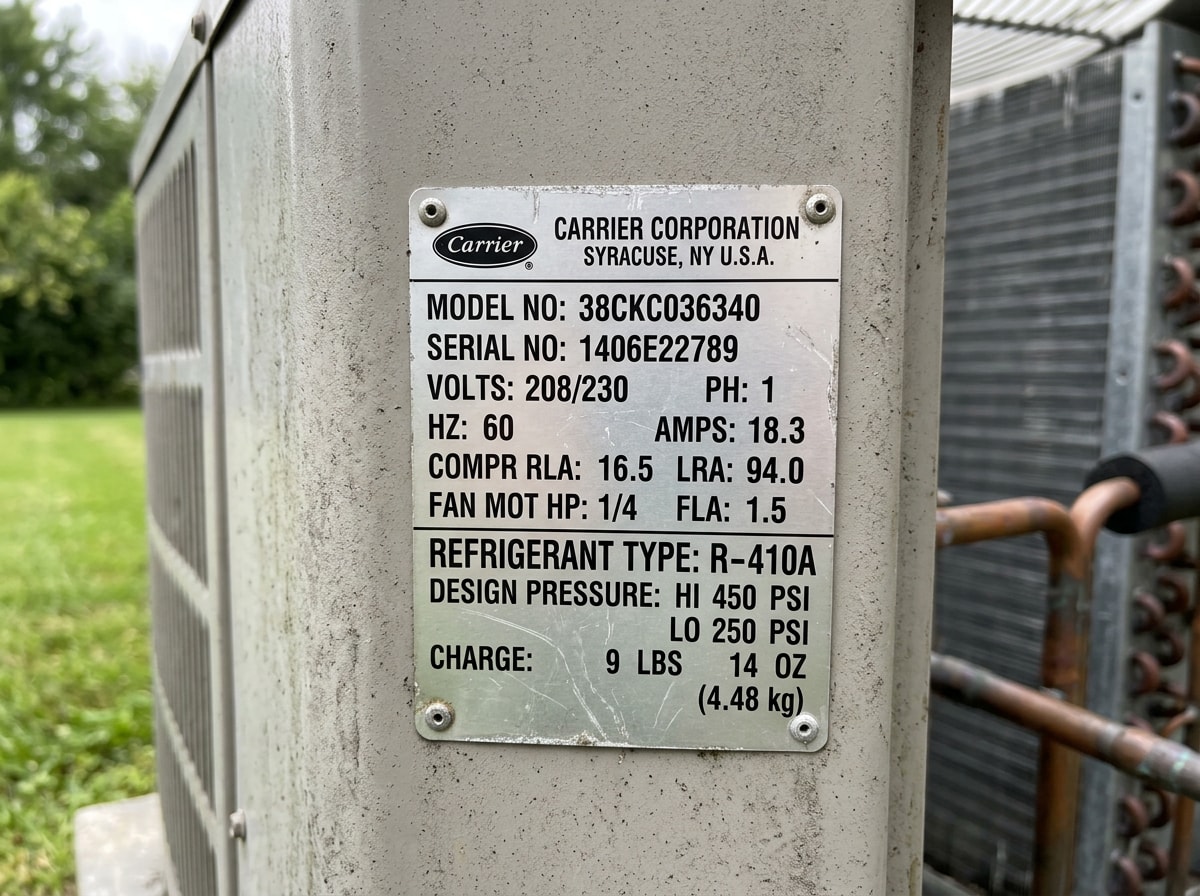
Check the data plate on your outdoor unit, a metal sticker usually on the side or back panel, and look for the refrigerant type listed near the model and serial numbers.
Systems manufactured after 2010 generally shouldn't contain R-22. In 2010, the U.S. stopped the sale of newly manufactured residential air conditioning units and heat pumps that use R-22, and on January 1, 2020, the EPA banned the production and import of R-22 entirely.
Production and import of HCFC-22 ceased in 2020, though the EPA expects reclaimed and previously produced HCFC-22 to remain available to service existing equipment, with price and availability subject to change.
If your Littleville system still runs on R-22, you're not alone, but recharges have gotten considerably pricier as reclaimed supply shrinks. For the full federal phase-out timeline, see the EPA's technician guidance on the HCFC-22 phase-out.
2026 Freon Cost by Refrigerant Type
Pricing swings hard depending on what's actually in your system. R-22 refrigerant costs $90 to $150 per pound, and since a home AC typically needs 6 to 12 pounds, a full refill can run between $660 and $2,400.
R-410A, by comparison, runs $50 to $80 per pound installed.
| Refrigerant | Common in systems | Price per pound (installed) | Typical recharge cost |
|---|---|---|---|
| R-22 | Pre-2010 units | $90–$150 | $660–$2,400 |
| R-410A | 2010–2024 units | $50–$80 | $100–$320 |
| R-454B / R-32 | New 2025–2026 installs | Varies by installer | Lower long-term operating cost |
On service calls across Littleville and the surrounding Shoals communities, we see R-22 systems ice over most often in late July and August, when thick humidity makes a marginal charge fail fastest. If your unit is already on the data plate's R-22 line and showing these symptoms, a recharge is usually a short-term patch, not a fix.
Freon Leak Detection: Why Low Refrigerant Means a Leak
Refrigerant moves through a sealed loop and doesn't get consumed through normal use, so a system that's low on charge almost always has a leak somewhere rather than a part that simply "ran out." Technicians typically confirm this with:
- Electronic leak sensors that detect escaping refrigerant gas
- UV dye tests that make the leak glow under black light
- Visual inspection of the coils and line set for oil residue
Warning signs your AC is already low include weak or warm airflow, ice forming on the coil or refrigerant lines, hissing sounds near the unit, and a steadily climbing energy bill despite normal use. For a closer look at how a technician diagnoses these calls, see our AC repair services page.
What the Store-Bought Fix Actually Does
Recharge cans sold at hardware stores are usually formulated for automotive AC, not home systems, and many include a sealant that can gum up a technician's recovery equipment later. Adding refrigerant without finding the leak also only buys a short reprieve. The system will run low again, often sooner than last time.
There's a legal reason DIY recharging isn't really an option either. EPA regulations under Section 608 of the Clean Air Act require that technicians who maintain, service, repair, or dispose of equipment that could release ozone-depleting refrigerants into the atmosphere must be certified. That federal requirement applies to anyone opening a sealed AC system, which is why a certified technician handling a refrigerant recharge has to do this work rather than a homeowner.
When Repair Stops Making Sense: Reasons to Replace Instead
Refrigerant type is one factor in the replace-or-repair decision, but it isn't the only one. Weigh these together before paying for another recharge:
- R-22 data plate. Reclaimed-only supply means every future recharge costs more than the last.
- Repeated leaks. Refrigerant added in two or more seasons signals a system that's done holding a charge.
- Climbing energy bills. A slow increase even with the same thermostat setting usually points to aging components losing efficiency.
- Age past 12-15 years. Most compressors and coils are nearing the end of their practical service life by this point.
- Low efficiency rating.
Current ENERGY STAR-certified split system air conditioners must meet a SEER2 rating of at least 15.2 , so a unit rated well below that is running up your electric bill every month it stays in service.
Pairing a refrigerant problem with an efficiency upgrade is often where replacement starts making financial sense. Browse our AC installation and replacement options to see what's involved, or review the ENERGY STAR central air conditioner specification for current efficiency benchmarks.
When to Stop and Call a Professional
Some signs mean it's time to stop troubleshooting and pick up the phone:
- Refrigerant added in two different seasons
- An R-22 data plate paired with a house that still won't cool down
- A breaker that keeps tripping
- Visible ice on the line set or coil
Before you call, jot down your system's age, the refrigerant type from the data plate, and exactly what it's doing (or not doing). It speeds up the diagnosis. If the system has already stopped cooling entirely, our emergency HVAC service line handles same-day calls. For routine upkeep that catches a slow leak before it becomes a no-cool emergency, regular AC maintenance is worth scheduling every spring.
Experienced, Certified HVAC Contractors Serving Littleville, AL
Refrigerant work isn't a guess-and-check job. It calls for EPA Section 608 certified technicians with real experience in North Alabama's climate and housing stock. Choosing a trusted local contractor over a DIY fix protects both your system and your budget long term. This guide is maintained by the certified technicians at Henn Heating & Air, who service Littleville and the surrounding Shoals-area communities year-round. If your AC is already low on refrigerant or you'd rather not guess, get a free estimate and we'll check the data plate, test for leaks, and give you real numbers before any work starts. You can also learn more about our Littleville service area, or read our guide on AC thermostat problems that mimic a refrigerant issue if your system is cooling unevenly but isn't icing over.
FAQ
How much does it cost to add Freon to an AC unit?
R-410A recharges run $50 to $80 per pound installed , while R-22 costs $90 to $150 per pound because supply is limited to reclaimed stock following the federal phase-out. A full recharge typically costs several hundred dollars for R-410A and well over $1,000 for R-22 on a larger system.
How long does Freon last in an air conditioner?
In a properly sealed system, refrigerant doesn't get used up and can last the unit's entire lifespan. A dropping charge almost always signals a leak, not normal aging.
How do I know if my AC is low on Freon?
Warning signs include weak or warm airflow, ice forming on the coil or refrigerant lines, hissing sounds near the unit, and a steadily climbing energy bill despite normal use.
Is R-22 Freon still available in 2026?
Production and import of R-22 ended on January 1, 2020 , so only reclaimed and recycled supply remains available now. That limited supply is the main reason R-22 recharges cost more than R-410A today.
What's the difference between R-22 and R-410A?
R-22 is an older HCFC refrigerant that depletes the ozone layer and is no longer produced; R-410A is the HFC blend that replaced it in most systems built between roughly 2010 and 2024. They run at different pressures, so a system designed for one can't simply be topped off with the other.