AC troubleshooting in Muscle Shoals, AL usually starts with one of a handful of complaints: a strange noise, a room that never cools down, or a power bill that jumped for no clear reason. This guide breaks down what each symptom actually means, walks through a 6-step check you can run yourself, and lays out 2026 repair costs so you know what to expect before a technician ever shows up.
The licensed technicians at Hennhaa Heating & Air field these calls across the Shoals area every cooling season, and the same handful of root causes show up again and again: a dirty filter nobody checked in months, a weak capacitor, or a slow refrigerant leak. Knowing which one you're dealing with is the difference between a $150 fix and a repair bill that creeps toward replacement cost.
Common AC Problems & Warning Signs in Muscle Shoals, AL
Most service calls fall into one of five patterns. Here's the quick version, followed by what each one actually means:
- Strange noises — grinding, squealing, banging, or hissing
- Warm air from the vents — the system runs but doesn't cool
- Uneven cooling — some rooms stay hot no matter the thermostat setting
- Frequent cycling — the unit turns on and off every few minutes
- Rising energy bills — costs climb faster than the summer heat explains
Strange Noises From Your Unit
An air conditioner that's working correctly is quiet enough to ignore. When it isn't, the sound usually tells you where to look. Grinding or squealing points to worn motor bearings or a slipping belt. Banging or clattering means something has come loose inside the cabinet, often a fan blade or mounting bracket. Hissing is the one to take most seriously; it typically signals a refrigerant leak or a split in the ductwork, and running the system longer can turn a cheap part replacement into compressor damage. If you hear hissing, shut the unit off and call for AC repair before using it again.
AC Blowing Warm Air
This is the complaint that sends most homeowners searching in the first place. Warm air from the vents usually traces back to one of four things: a refrigerant leak, a failing compressor, a dirty condenser coil that can't release heat, or airflow so restricted by a clogged filter that the evaporator coil has frozen over. Check the filter first. It's the cheapest possible fix and the most common cause.
Uneven Cooling Throughout Your Home
Plenty of older homes in Muscle Shoals, especially near the river, have additions, converted rooms, or ductwork that was never sized for the home's current square footage. Some temperature variation is normal in houses like that. What isn't normal is a 5-10 degree swing between rooms on the same floor. That points to blocked or leaking ducts, low refrigerant, a failing thermostat sensor, or a filter so dirty it's starving airflow to the rooms farthest from the unit. A thermostat diagnosis and repair can rule out the sensor issue in one visit if that's the suspected cause.
Frequent System Cycling
Short cycling, where the system shuts off before finishing a full cooling cycle, wears out components fast and rarely resolves on its own. The usual culprits are an oversized unit that cools the space too quickly, a low refrigerant charge, or a failing contactor or control board. Any of these needs a technician's attention, not a wait-and-see approach.
Rising Energy Bills
Alabama summers push cooling costs up every year, so some increase is expected. A spike that outpaces the heat usually means dirty coils, a slow refrigerant leak, or an aging system working harder than it should to hit the same temperature. Routine AC maintenance catches most of these before they show up on a bill.
DIY AC Troubleshooting Checklist: 6 Steps Before You Call a Pro
Run through this before scheduling a service call. It takes about five minutes and solves more problems than you'd expect.
- Check the thermostat. Confirm it's set to "Cool" with the target temperature at least a few degrees below the current room temperature, and the fan is set to "Auto," not "On."
- Check the breaker. A tripped breaker on the outdoor unit or air handler will stop the system cold. Reset it once; if it trips again, stop and call a technician.
- Replace the filter. A clogged filter is the single most common cause of weak airflow, frozen coils, and warm air complaints.
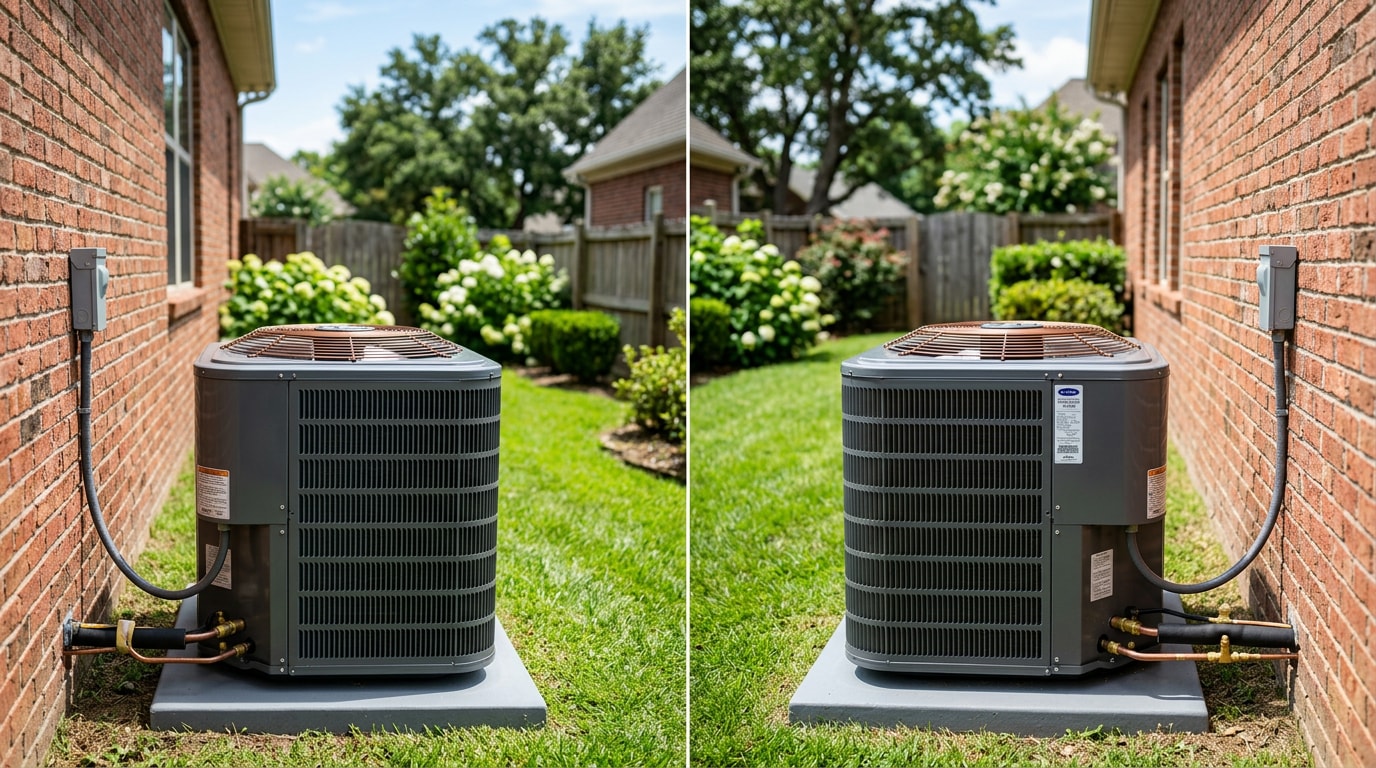
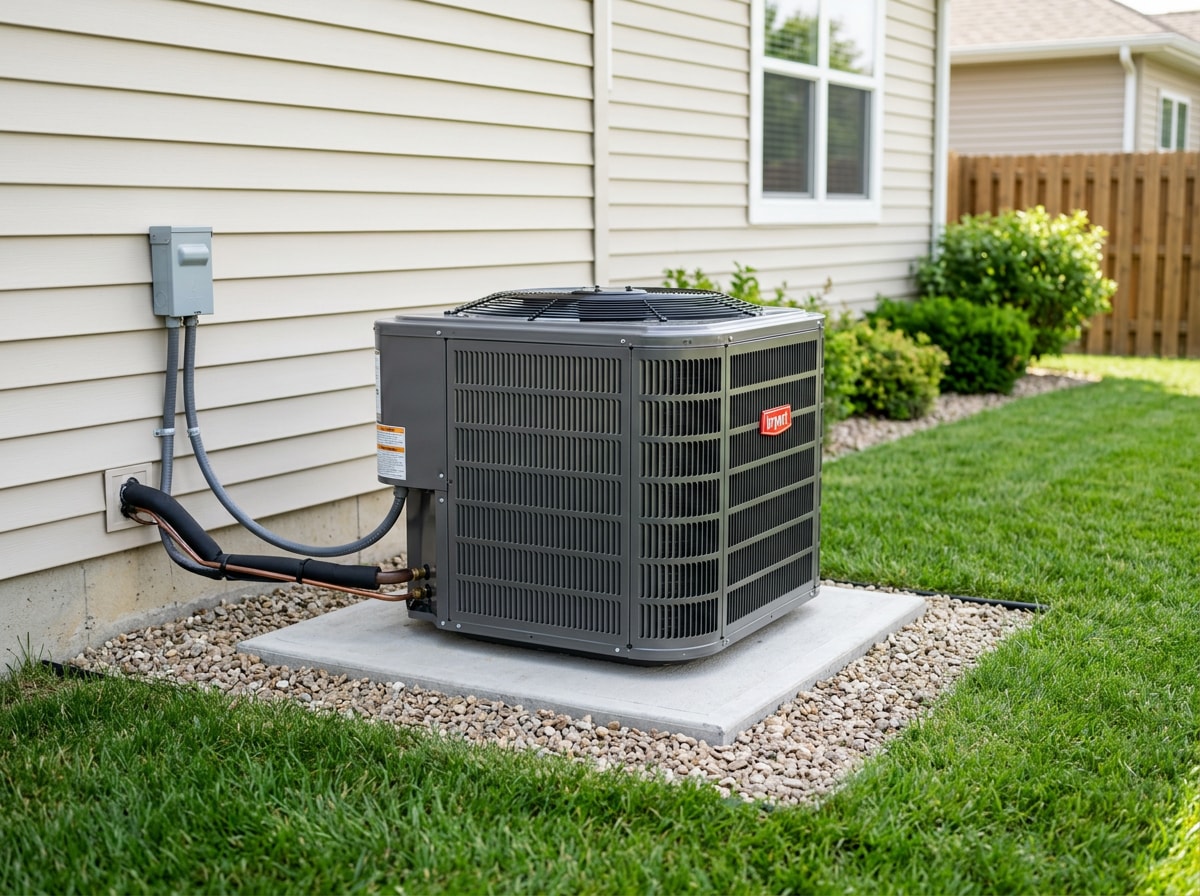
- Inspect the outdoor unit. Clear grass clippings, leaves, and overgrown shrubs from around the condenser. Airflow needs at least two feet of clearance on all sides.
- Look for ice on the coils. If the indoor coil or refrigerant lines are frozen, turn the system off entirely and let it thaw for a few hours before testing it again.
- Check every vent. Closed or blocked supply vents in unused rooms can throw off pressure and airflow for the whole system.
If the system still isn't cooling after these six steps, the issue is almost always something that requires tools and training to fix safely, like a refrigerant leak or a failing electrical component. At that point, get a free estimate rather than guessing further.
How a Pro Diagnoses the Problem
A licensed technician doesn't start swapping parts and hoping one of them fixes it. The process follows a sequence designed to find the actual cause.
Comprehensive Diagnosis
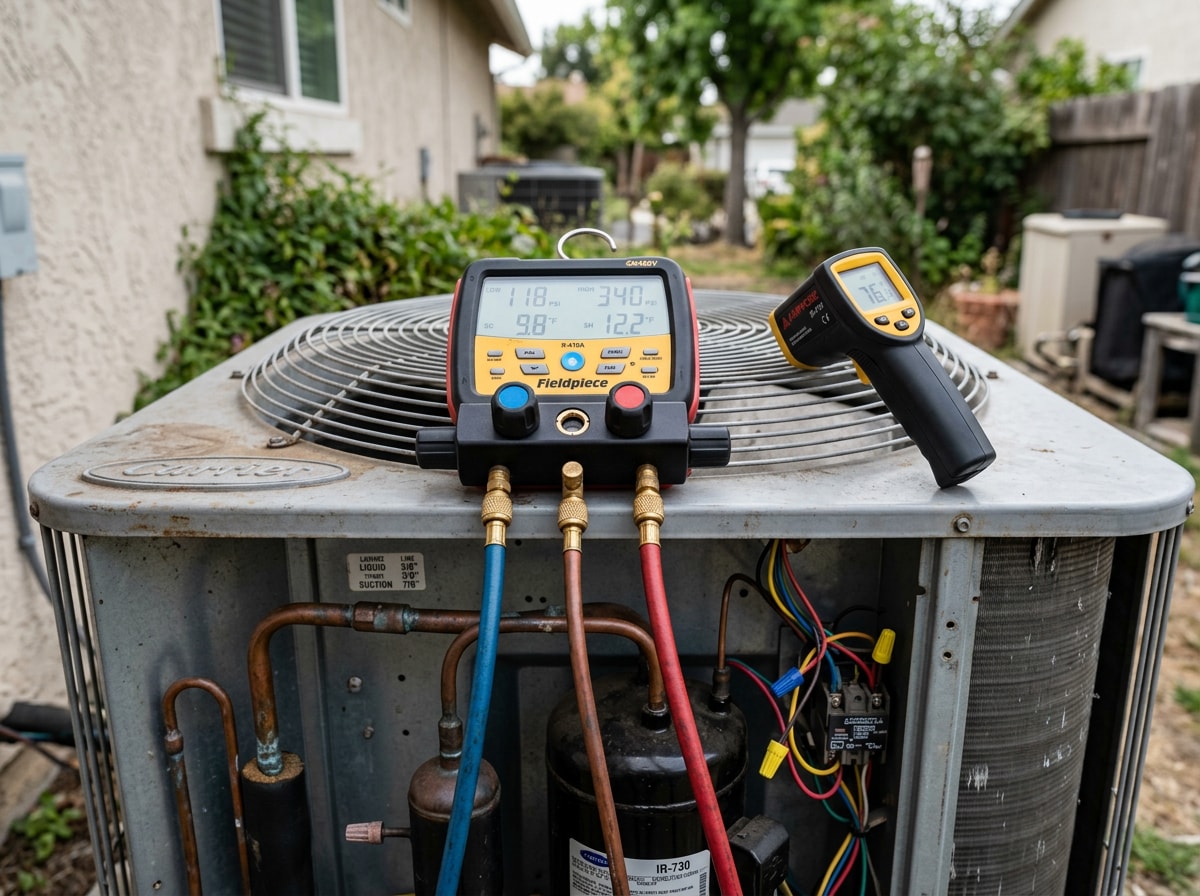
Before any tool comes out, a thorough diagnosis checks electrical connections, refrigerant charge, airflow, and component wear to isolate exactly what's failing. This step matters more than it sounds like it should: a failing capacitor and a refrigerant leak can produce nearly identical symptoms, and treating the wrong one wastes money while the real problem keeps getting worse.
Final System Check
A repair isn't finished when the fan turns back on. A proper final check confirms airflow and measures the temperature split between the air entering the system and the air leaving it, generally expected to land around 15-20°F on a healthy unit. If your system hasn't had this kind of verification in a while, schedule a service visit to find out where it stands.
AC Repair Costs in Muscle Shoals, AL
Once you know what's wrong, cost is the next question. Two things drive the final number: which part failed, and how much labor the fix requires.
Type of Repair Needed
| Repair Type | Typical Cost Range | Typical Repair Time |
|---|---|---|
| Thermostat repair/replacement | $150–$400 | Under 1 hour |
| Capacitor replacement | $150–$450 | 1–2 hours |
| Refrigerant leak repair | $225–$1,600 | 2–4 hours |
| AC compressor repair | $1,500–$2,800+ | Half-day to full day |
A thermostat swap or a capacitor replacement sits at the low end. Refrigerant leak repairs climb higher depending on the leak's location and whether the unit needs a full refrigerant recharge. A compressor replacement sits at the top of the list and, in some cases, costs enough that replacing the whole system makes more financial sense.
Labor Costs in Muscle Shoals
Labor is billed separately from parts. The U.S. Bureau of Labor Statistics reports the median annual wage for heating, air conditioning, and refrigeration mechanics and installers was $61,010 in May 2025 , which works out to a median of roughly $29 an hour in technician pay before a company adds overhead, insurance, trucks, and parts markup. That's why billed labor rates in most markets, including the Shoals, typically run $75-$150 per hour depending on job complexity. After-hours or emergency calls, like a blown capacitor on a 95-degree Saturday, often carry a surcharge of $50-$150 on top of standard rates. If you've called for emergency HVAC service before, you already know why: demand spikes exactly when the heat does.
Ask for a written estimate before work begins so there are no surprises on the invoice.
How to Minimize AC Repair Costs
The cheapest repair is the one you avoid entirely. A few habits keep small issues from becoming expensive ones:
- Schedule annual maintenance — a yearly AC tune-up catches worn belts, low refrigerant, and dirty coils before they cause a breakdown.
- Change air filters every 1-3 months during peak cooling season, since a clogged filter strains the entire system.
- Keep the outdoor unit clear — trim vegetation and clear debris so airflow around the condenser isn't restricted.
- Upgrade aging equipment — a higher-SEER replacement can lower monthly bills enough to offset part of the upfront cost over time.
- Address small repairs promptly — a minor issue ignored for a season often becomes a major one.
Repair or Replace? When Delaying AC Repairs Costs You More
Delaying a small repair rarely saves money. A failing capacitor left unaddressed forces the compressor to work harder than it should. A minor refrigerant leak left unchecked can starve the system of lubricant and shorten its life. A $200 fix ignored for a season can snowball into a $2,000 one by the next summer.
A few signs tip the decision toward replacement instead of repair:
- The unit is 10-15 years old or older
- It's needed more than two repairs in the past two years
- Energy bills keep climbing despite regular maintenance
- It still runs on R-22 refrigerant
On that last point: R-22 production and import for general servicing ended in 2020, and the continued use of existing appliances containing HCFC-22 is not banned and there is no EPA mandate for converting existing HCFC-22 equipment . You can legally keep servicing an R-22 system, but the future availability of HCFC-22 will be restricted to servicing existing equipment , which is exactly why parts and recharges for these older systems keep getting more expensive and harder to source. When a unit checks two or more of the boxes above, replacement usually costs less over the next five years than continuing to repair it.
Frequently Asked Questions
What Is the Life Expectancy of an Air Conditioner?
According to the Air-Conditioning, Heating, and Refrigeration Institute, the average life span of a central air-conditioning system is 12 to 15 years if it is properly installed and maintained . In North Alabama's heat and humidity, units without regular upkeep tend to wear faster than that average, which is why routine maintenance is one of the few things a homeowner can actually control.
What Are the First Signs That My AC Needs Repairs?
Strange noises, weaker airflow than usual, unpleasant odors from the vents, and more frequent on/off cycling are the earliest warning signs. Catching these early and scheduling a diagnostic visit typically costs far less than waiting for a full breakdown.
How Do I Fix My AC Problem?
Run the 6-step checklist above: thermostat setting, breaker, filter, outdoor unit clearance, frozen coils, and vents. If the system still isn't cooling after that, the issue needs a professional diagnosis rather than more guessing.
Why Is My AC Running But Not Cold?
This is usually a clogged air filter restricting airflow, low refrigerant from a leak, a dirty outdoor coil that can't release heat properly, or the fan switch left on "On" instead of "Auto." Each has a different fix, so a quick inspection narrows it down fast.
What Is the Most Common Cause of AC Failure?
Dirty filters and skipped maintenance cause more AC failures than any other factor. A clogged filter restricts airflow, forces the system to work harder, and accelerates wear on nearly every component downstream of it.
How Much Does an AC Diagnostic Visit Cost in Muscle Shoals?
Most companies charge a diagnostic or service-call fee in the $75-$150 range, which is often credited toward the repair cost if you move forward with the work. Ask upfront whether the fee applies to the final bill.
Can I Troubleshoot My AC Myself?
You can safely check the thermostat, breaker, filter, and outdoor unit clearance on your own. Anything involving refrigerant, electrical components, or the compressor requires EPA Section 608 certification and should go to a licensed technician.
If your system is overdue for a checkup or you've worked through the checklist above without luck, explore AC service options in Muscle Shoals or get a free estimate before a small issue turns into a bigger repair.